Casella
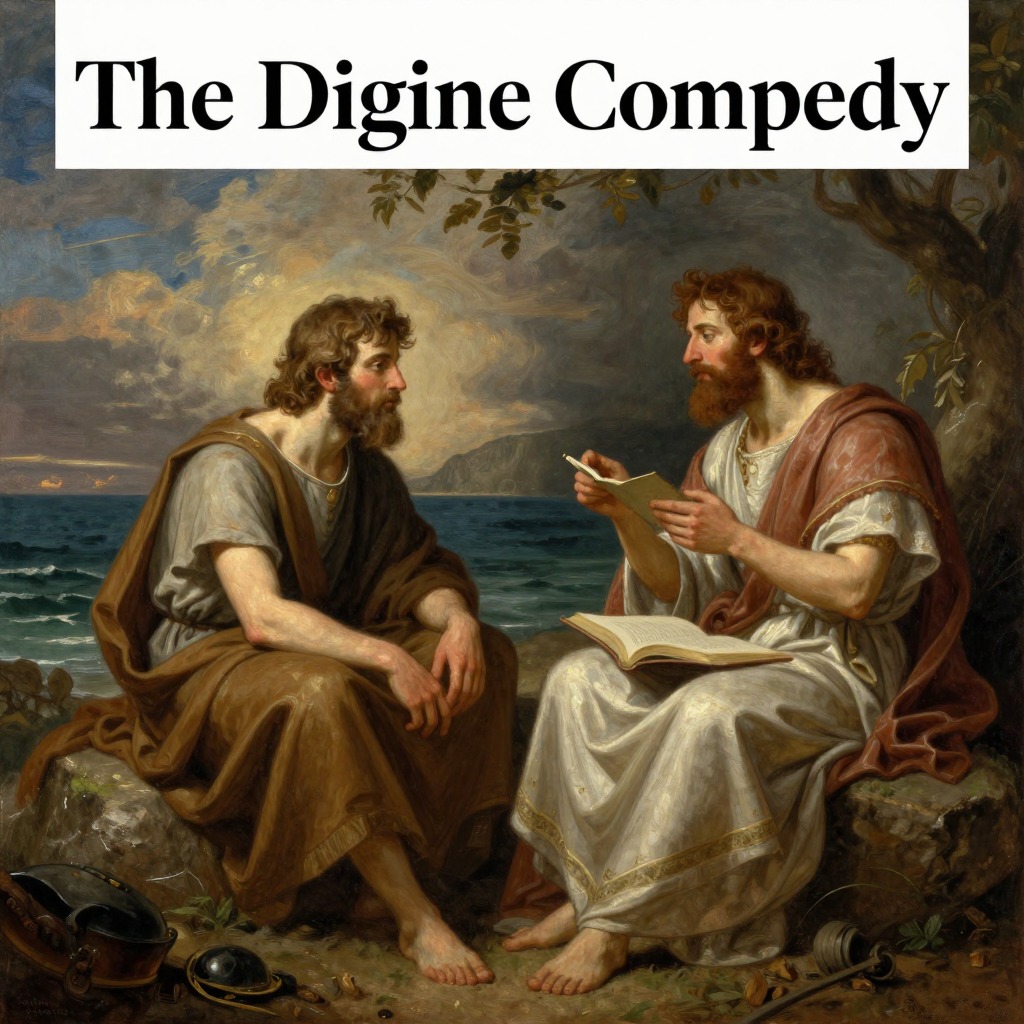
Casella, a Florentine musician and a dear friend of Dante Alighieri, appears only once in the Divine Comedy, on the shores of Mount Purgatory, yet his brief presence carries an extraordinary emotional and thematic weight. A fellow exile in life and a fellow traveler in the afterlife, Casella embodies the sweetness of earthly friendship and the seductive power of art, which can delay even the soul's urgent progress toward salvation. His encounter with Dante, marked by a failed embrace and a song that transfixes the entire company, becomes a crucial moment of testing, revealing both the lingering pull of worldly attachments and the necessity of heeding the call to spiritual duty.
Identity and Background
Casella was a musician and composer, a contemporary of Dante in Florence, though the exact details of his life remain largely unknown. The poet's address to him as "My own Casella" (Purgatorio, Canto II) indicates a close and affectionate friendship. In the narrative, Casella explains that he has only recently arrived at the shores of Purgatory, having been denied passage by the angelic pilot for three months. This delay, he says, was not an outrage but a matter of divine will, as the angel "takes both when and whom he pleases." He further notes that since the recent Jubilee, the angel has been accepting all souls who present themselves at the mouth of the Tiber, where they gather for the voyage to Purgatory rather than to Acheron. This detail establishes Casella as a soul who, though saved, has been waiting, and whose arrival is a fresh and joyful event for Dante.
The Encounter on the Shore
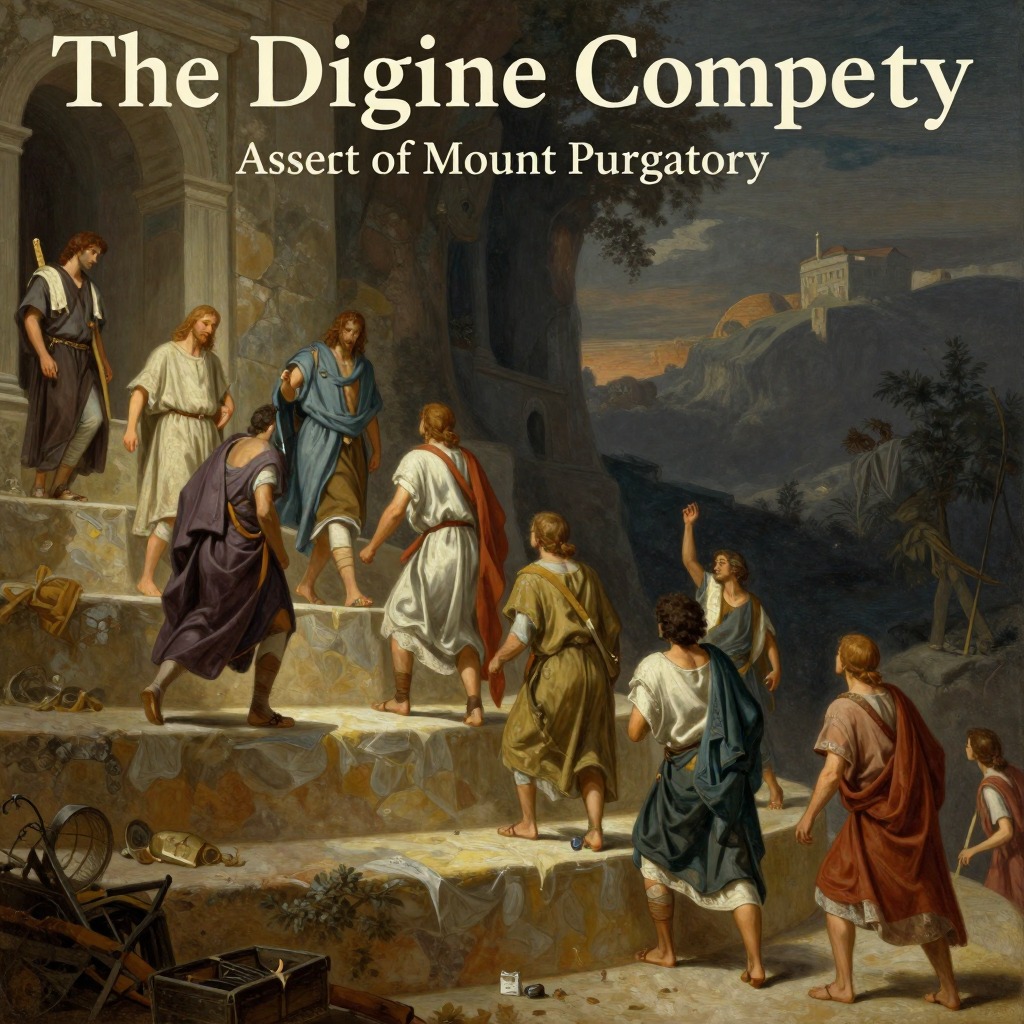
When Dante and Virgil first arrive on the shore of Mount Purgatory, they are met by a boatload of newly arrived souls guided by an angel. Among these souls, one recognizes Dante and approaches him with such great affection that the poet is moved to return the embrace. However, when Dante tries to clasp his friend, his hands pass through the empty shadow three times, a moment that underscores the insubstantial nature of the souls in Purgatory. Casella smiles at Dante's confusion, and the poet, realizing who it is, entreats him to stay and speak. Casella responds that he loves Dante as he did in life, and therefore he will stop. This exchange establishes the deep, enduring bond between the two men, a friendship that transcends death.
The Song and Its Interruption
Dante, still feeling the distress of his journey, asks Casella to comfort him with a song of love, the kind that used to quiet all his longings. Casella immediately begins to sing "Love, that within my mind discourses with me," a canzone by Dante himself. The melody is so beautiful that Dante, Virgil, and all the newly arrived souls stand motionless and attentive, as if nothing else could touch their minds. This moment of shared aesthetic rapture is abruptly broken by the arrival of Cato of Utica, the guardian of Purgatory, who cries out, "What is this, ye laggard spirits? What negligence, what standing still is this? Run to the mountain to strip off the slough, that lets not God be manifest to you." The souls, startled, abandon the song and rush toward the mountain, and Dante and Virgil follow. The scene powerfully dramatizes the tension between the legitimate pleasures of art and the urgent demands of the spiritual life, a theme that resonates throughout the Comedy.
Thematic Significance
Casella's role, though brief, is thematically rich. He represents the sweetness of human friendship and the beauty of art, both of which are good in themselves but can become obstacles if they are allowed to delay the soul's progress toward God. His song, a love poem by Dante himself, is a moment of profound self-reflection for the poet, who hears his own words set to music and is moved by them. The interruption by Cato, a figure of stern moral authority, is not a condemnation of art but a call to prioritize the soul's purification. Casella thus serves as a catalyst for one of the Comedy's key lessons: that even the most beautiful and beloved things of this world must be left behind in the pursuit of salvation. His appearance also reinforces the theme of exile and friendship, as two Florentines meet in a foreign land, bound by their shared past and their common hope for redemption.